Saint Lucia’s drive-in volcano: the geology behind Sulphur Springs
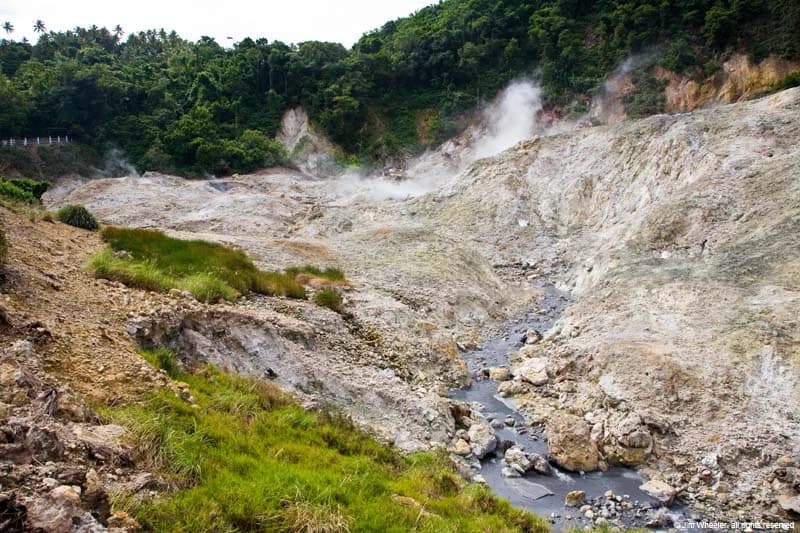
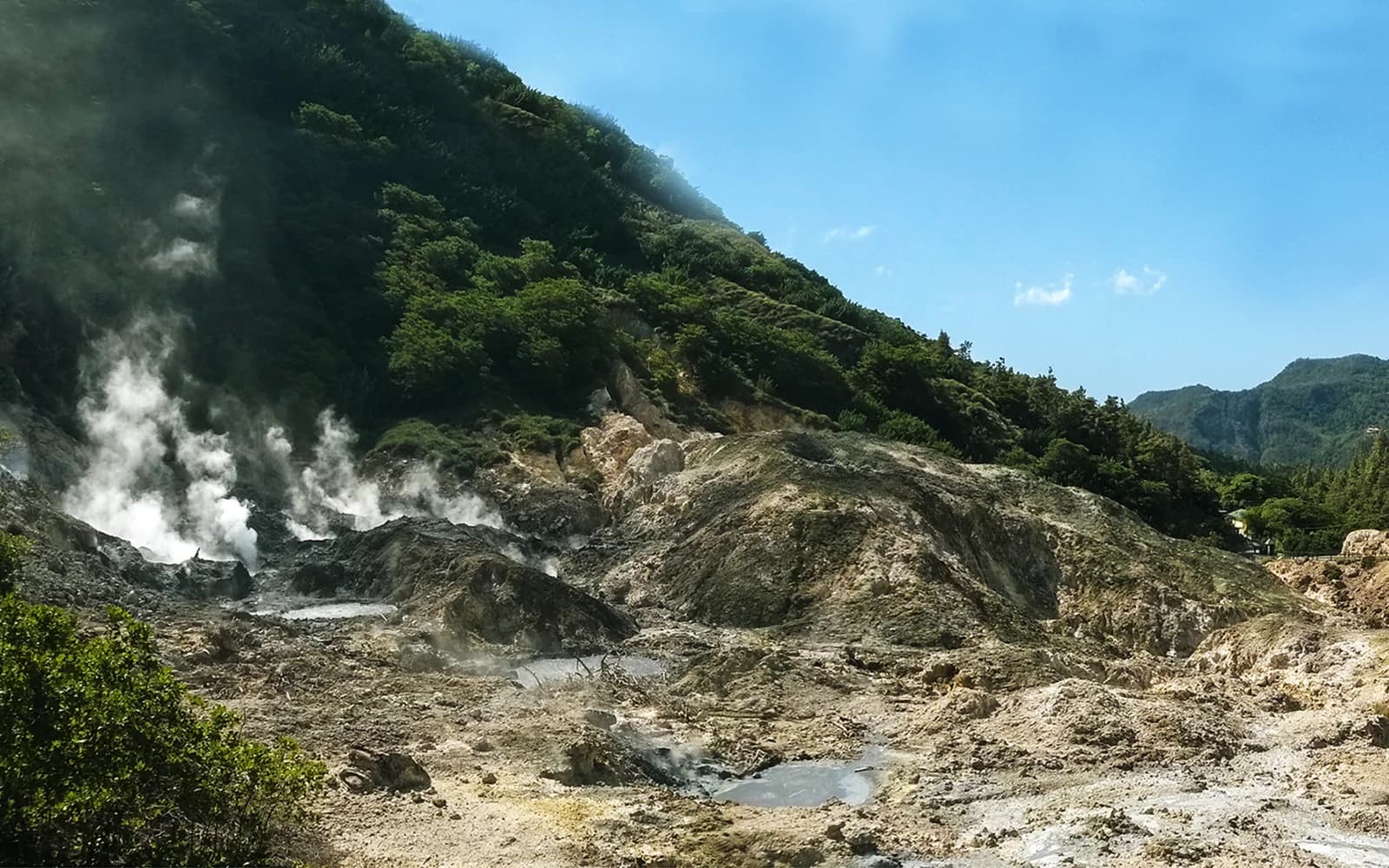
Sulphur Springs is a geothermal area within Saint Lucia’s Soufrière Volcanic Centre. The familiar drive-in volcano nickname describes a visitor experience, but the landscape deserves a more precise explanation: you are seeing hot water, steam and gases associated with a volcanic system, not driving up to an open lake of lava. Understanding those differences makes the guided visit more interesting.
Published by Treasure Tours St Lucia · · Updated
A few things to take with you
- Sulphur Springs belongs to a larger volcanic landscape, rather than a single cone-shaped attraction.
- Hot water and steam reveal a geothermal system; steam release is not a volcanic safety valve.
- View geothermal features from the designated route and treat bathing as a separate activity.
Look beyond the idea of one volcanic cone
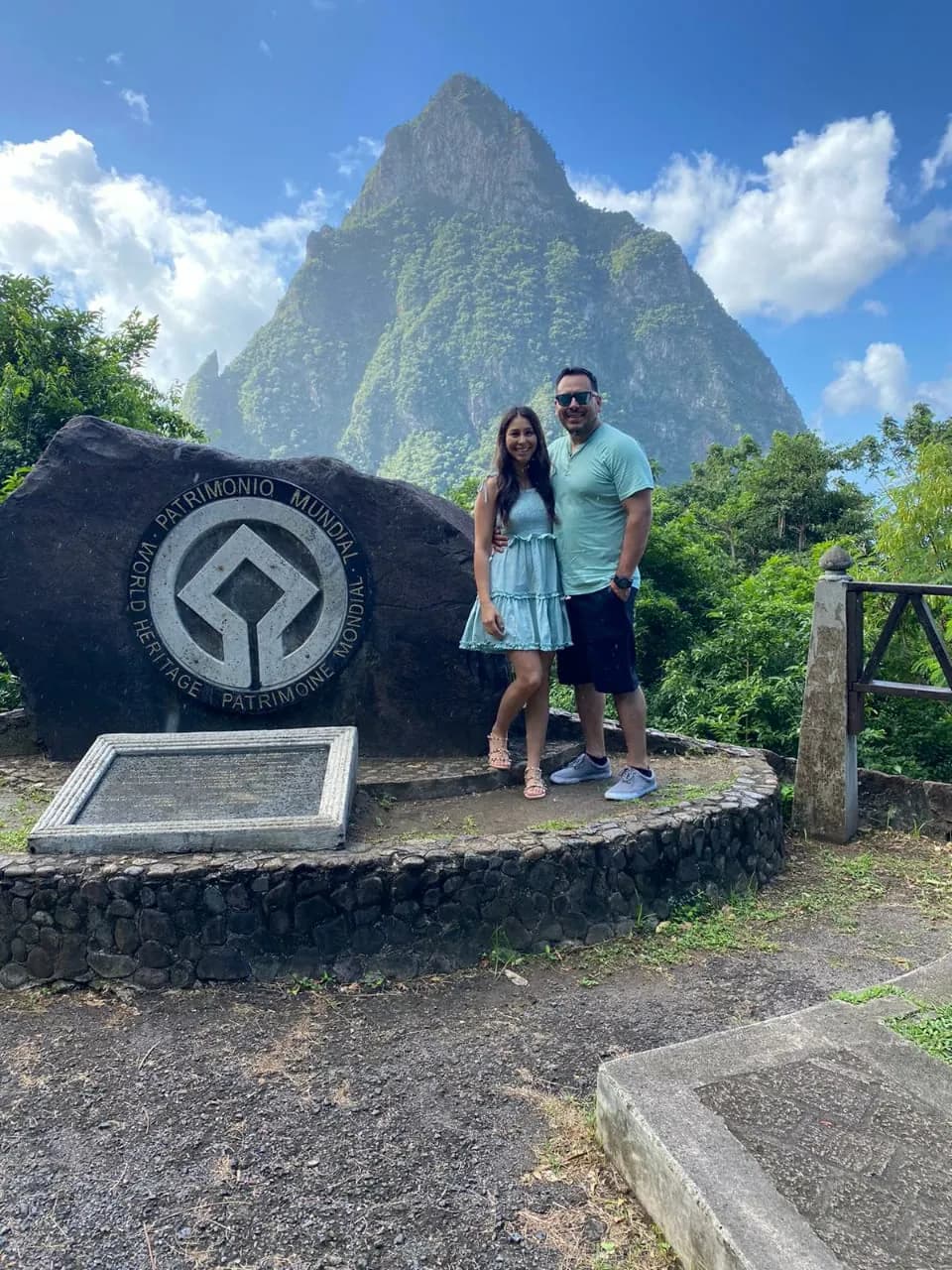
UNESCO places Sulphur Springs within the Pitons Management Area and the wider Soufrière Volcanic Centre. Its description connects geothermal features with a landscape containing volcanic peaks, domes, craters and deposits from past activity. The famous coastal silhouettes and the steaming ground therefore belong to a broader geological story, even though they look very different in photographs.
For your visit, try asking the guide to orient the scene before naming every feature. Where are you in relation to Soufrière and the coast? Which shapes can you recognize from the drive? Starting with that wider view gives the close-up sights a setting and makes it easier to remember what you learned afterward.

Heat and moving water help explain what you see
The US Geological Survey explains the general mechanism of volcanic hot springs: water circulates through cracks in rock, encounters heat at depth and returns toward the surface. Steam vents, or fumaroles, release steam mixed with other gases. This is a general explanation of hydrothermal systems, rather than a claim that every underground passage at Sulphur Springs has been mapped.
A geothermal feature can be impressive without glowing lava. Watch from the permitted viewpoint for moving vapor, water and differences in the ground’s texture. A still photograph records only one moment; listening to a guide and watching for a little longer can reveal more than immediately moving to the next picture. Keep the camera within the visitor area rather than leaning across a boundary for a closer frame.
Potentially active is more accurate than harmless
The UWI Seismic Research Centre describes the Soufrière Volcanic Centre as potentially active. It distinguishes historical steam explosions at Sulphur Springs from eruptions of new magma, and explicitly rejects the idea that steady steam release acts as a safety valve. Those distinctions matter: visible steam does not establish either an imminent eruption or permanent safety.
We do not use this article to predict volcanic activity or announce a current alert level. Scientific monitoring and official emergency information answer different questions from an itinerary page. If an access restriction or official instruction changes your plans, follow it rather than relying on an old description of what visitors usually do. The worthwhile question for a guide is what the visible features tell us, not whether a photograph can forecast the future.
The smell is a feature to understand, not investigate closely
UWI identifies hydrogen sulphide and carbon dioxide among the gases associated with Sulphur Springs. Hydrogen sulphide can produce the familiar rotten-egg smell; smell alone is not a reliable way to judge a gas hazard. The Centre also warns about geothermal ground and hot water. These are practical reasons to respect the designated visitor route.
Ask questions from the place staff indicate instead of walking toward a vent to test how strong the smell becomes. Do not collect mud or water from the geothermal field for your own experiment. The visitor experience does not require touching the features being explained. If anything about the route or conditions concerns you, tell the guide before continuing.
Choose how geology fits into your day
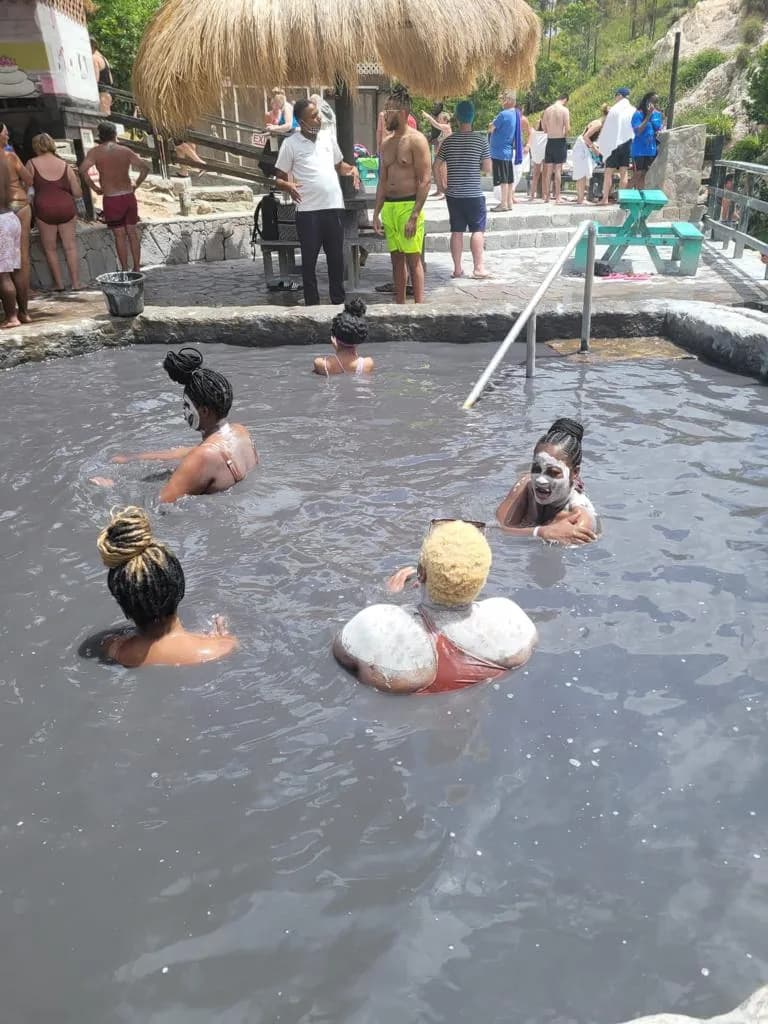
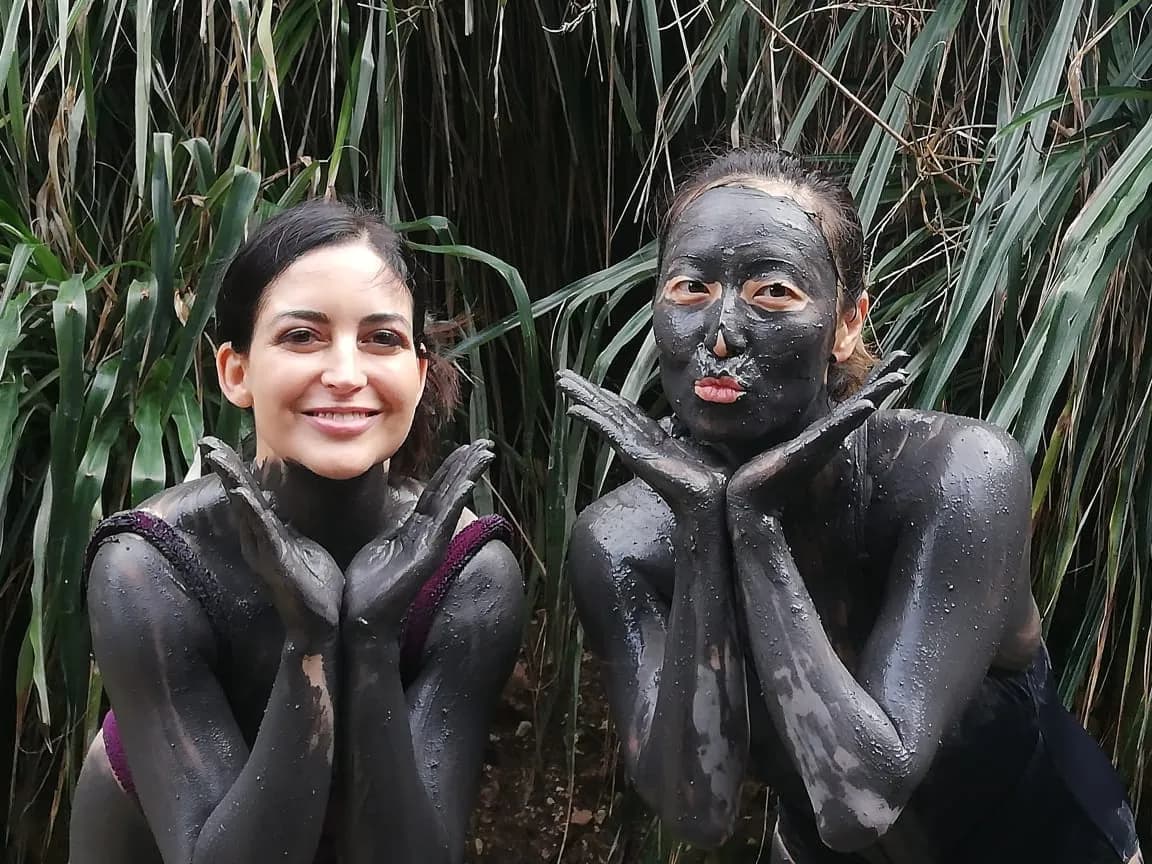
A volcano-focused visit is about observing and understanding the setting; the mud baths add a separate recreational experience. Our Half Day tour includes either the volcano visit or mud bath, while Land & Sea includes both. Tell our team if learning about the landscape is your main interest, or if someone in your group prefers not to bathe.
You can bring home a useful three-part record: one wide landscape photograph, one permitted close view of a feature, and a short note about what your guide explained. Keep the scientific terms beside your own observations. That turns a striking image of steam into a memory of how Saint Lucia’s volcanic landscape works, without needing to simplify it into a single dramatic claim.